SHELL AND TUBE HEAT EXCHANGER About
What is Glass Heat Exchangers
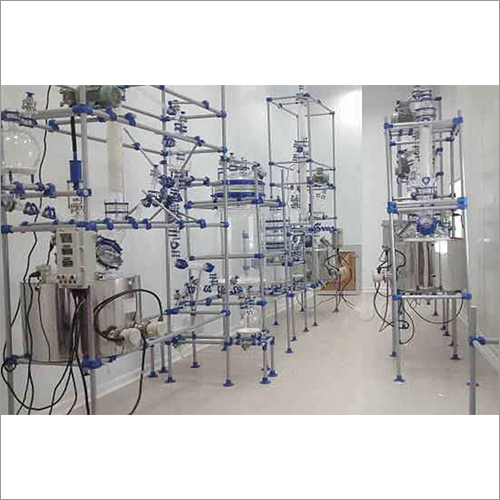
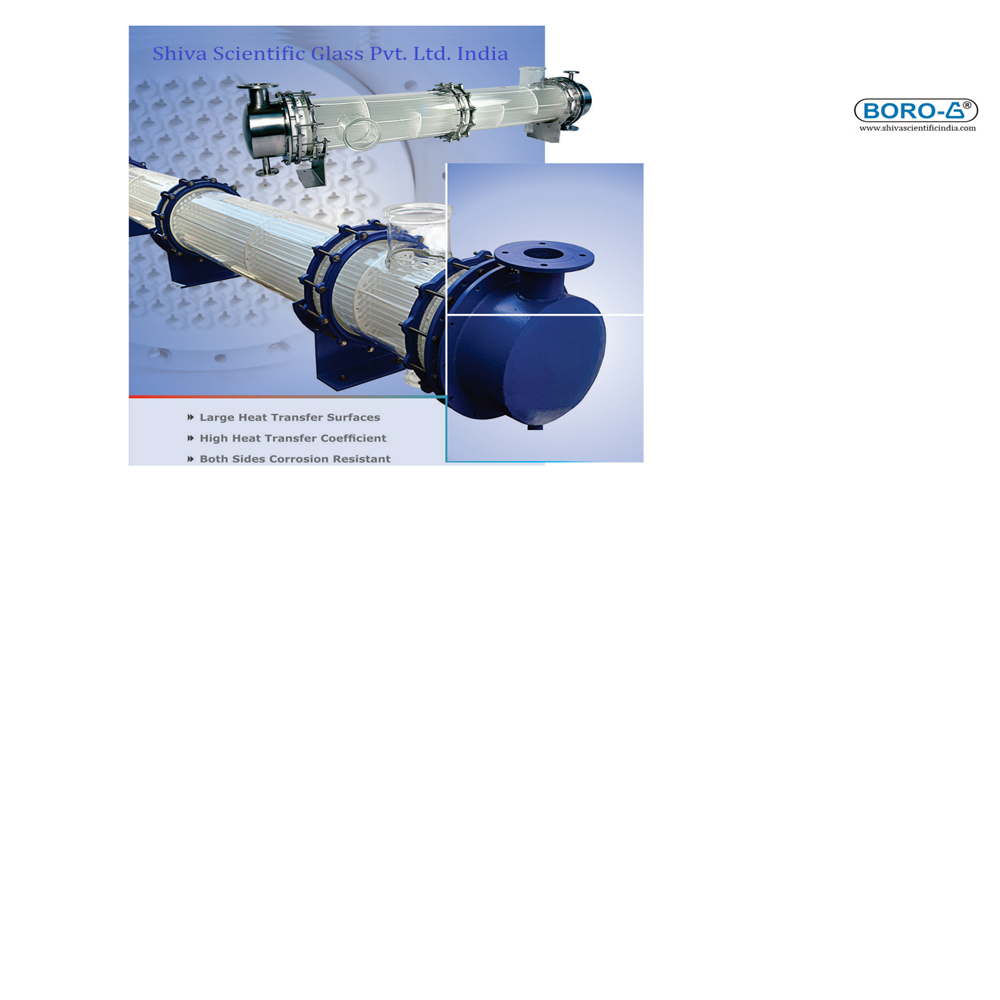
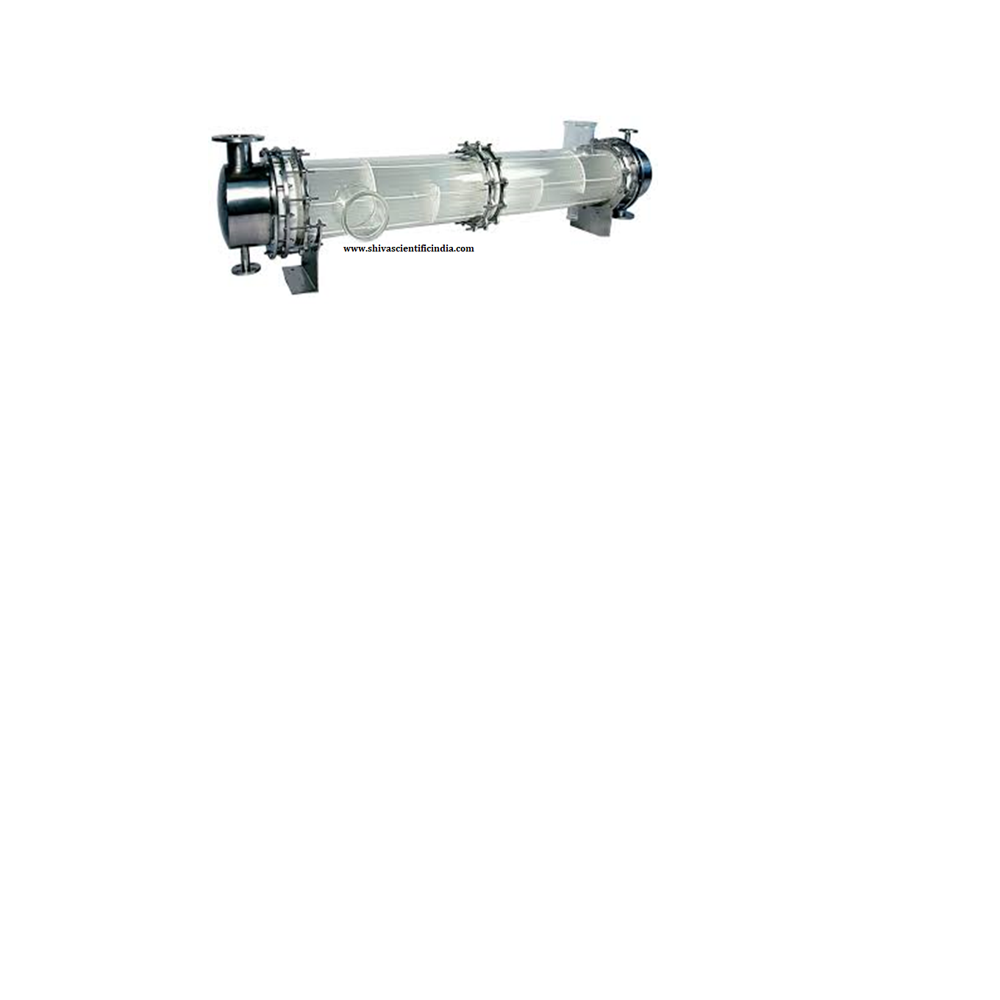
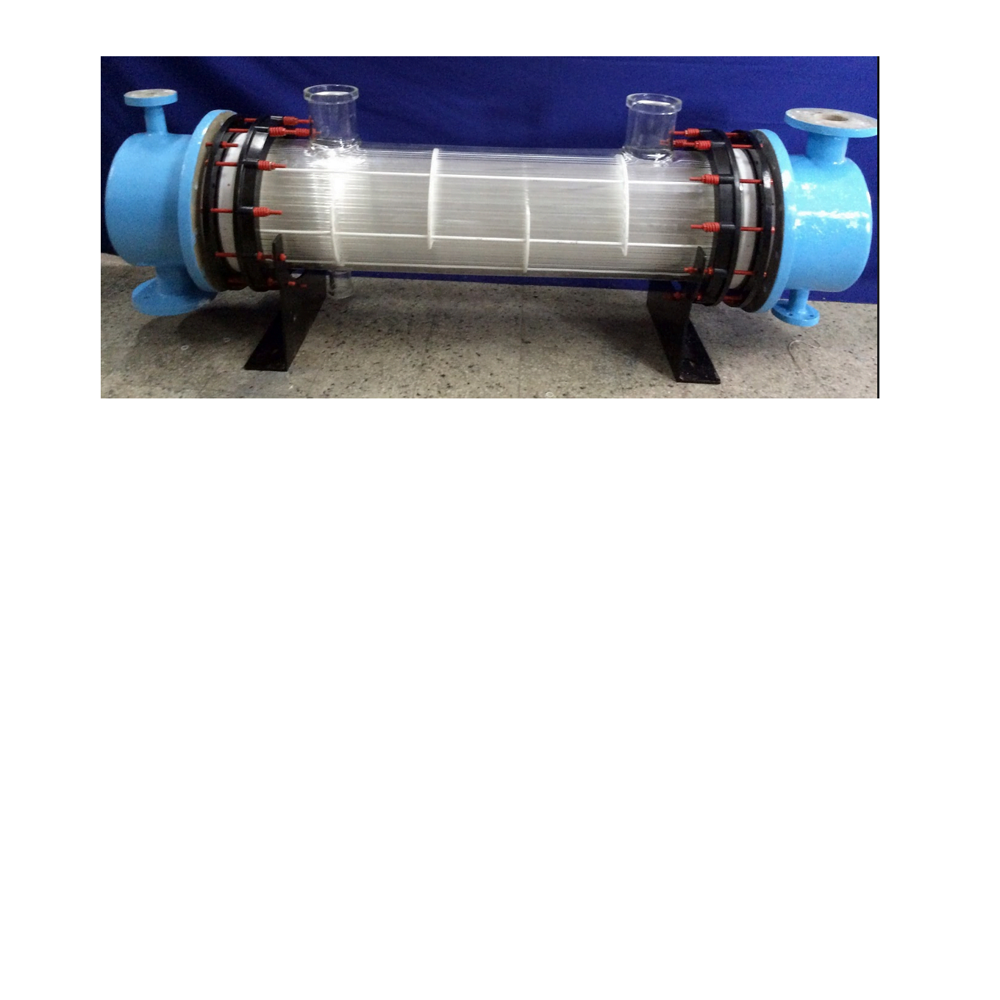
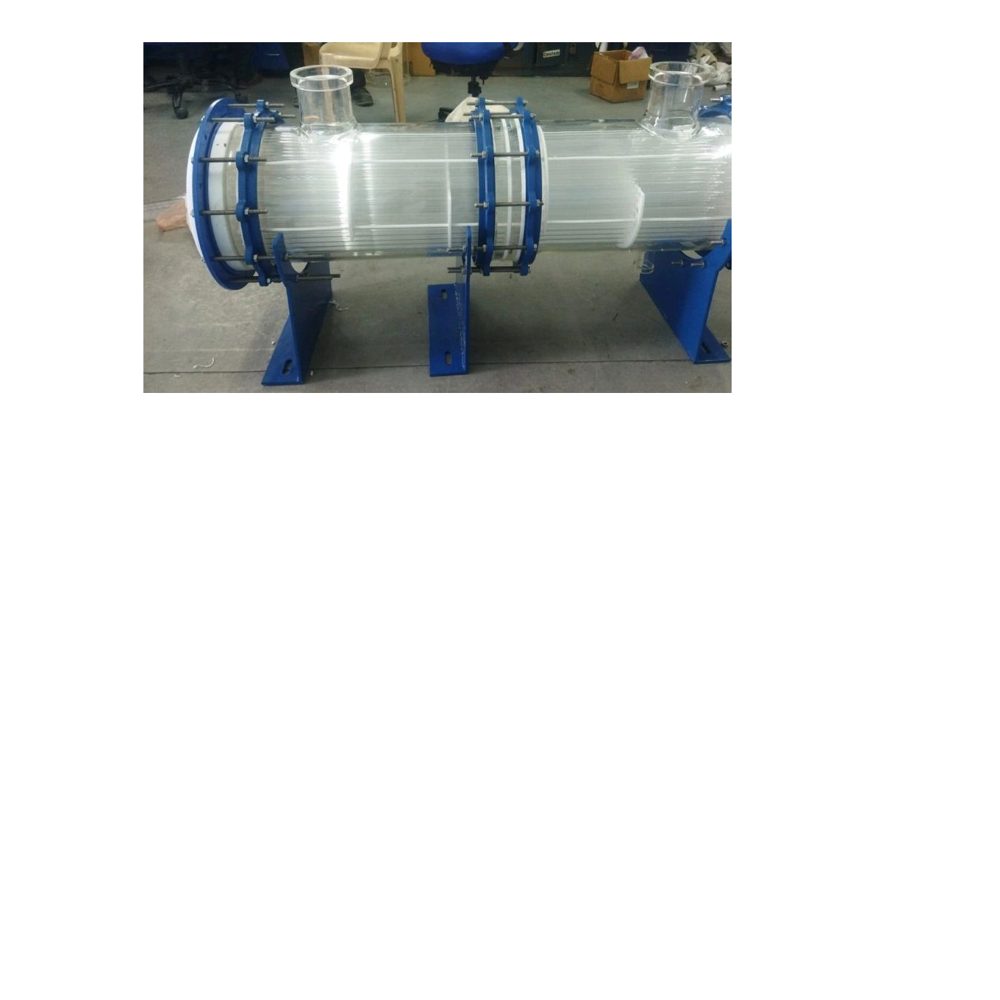
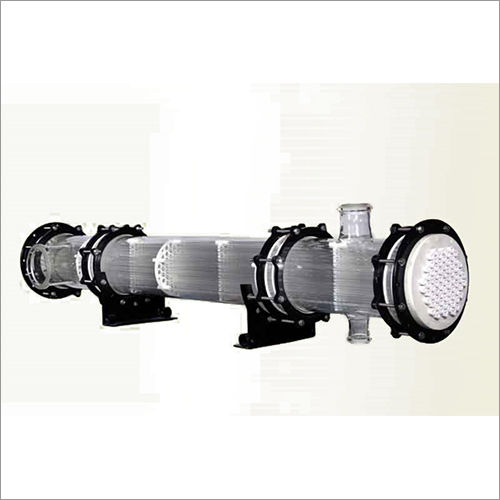
A glass heat exchanger is a device that transfers heat from one medium to another. For example, a hydraulic oil cooler will remove heat from hot oil using cold water or air. Alternatively, a Swimming Pool Heat Exchanger heats the pool water using hot water from a boiler or a solar-heated water circuit. Heat is transported via conduction through the exchanger materials that separate the mediums used. A shell and tube heat exchanger circulates fluids through and over tubes, whereas an air-cooled glass heat exchanger manufacturer circulates cool air through a core of fins to chill a liquid.
SALIENT FEATURES
- Provides universal corrosion resistance, making it a cost-effective alternative to expensive metals such as graphite, hastelloy, copper titanium, tantalum, and others.
- Smooth glass surfaces do not foul, allowing for excellent heat transfer.
- Installation flexibility (vertical or horizontal)
- Tubes can easily be replaced for repair and cleaning.
- Available in a diverse variety of HTAs.
- Easy installation owing to minimal weight.
- It is economical.
- Suitable for applications requiring big HTAs in restricted space.
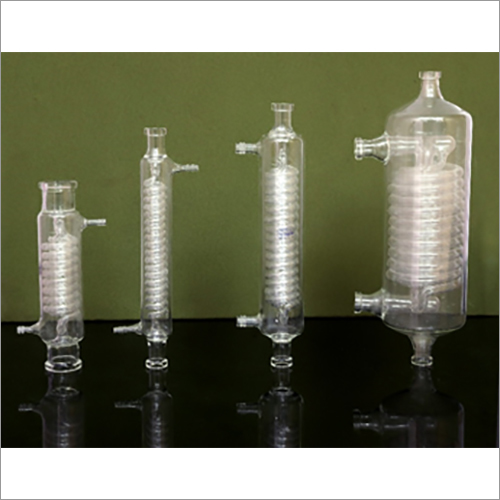
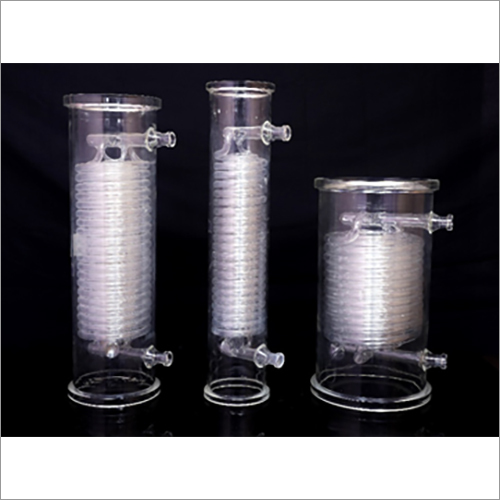
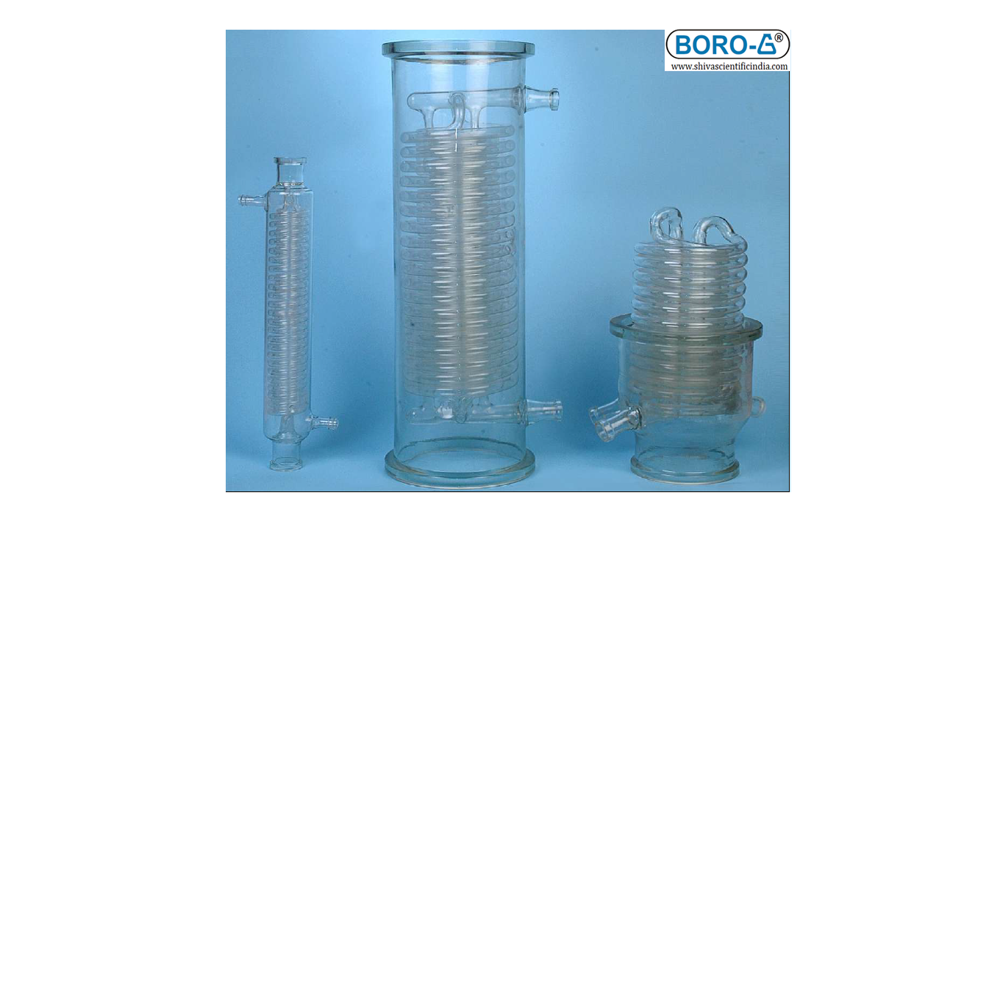
Glass heat ex-changer manufacturer are available in 2 basics designs
- Conventional Coil Type Condensers
- Shell & Tube Type
Reliable Industrial Heat Transfer SolutionEngineered for efficiency, this shell and tube heat exchanger delivers consistent heat transfer performance in various industries. Its stainless steel tubes and carbon steel or stainless steel shell provide durability, while easy-access inspection openings simplify maintenance. Ideal for heavy-duty processes and designed to withstand high pressure and temperature, it is a preferred choice for exporters, manufacturers, and process plants across India.
Exceptional Corrosion Resistance and Easy MaintenanceWith high corrosion resistance due to premium stainless steel materials, this heat exchanger ensures long operational life. The removable bundle or fixed tube sheet design allows for hassle-free tube inspection, cleaning, or replacement. Maintenance downtime is significantly reduced, supporting seamless process continuity in challenging environments.
FAQ's of SHELL AND TUBE HEAT EXCHANGER:
Q: How is tube cleaning and replacement performed in this shell and tube heat exchanger?
A: Tube cleaning and replacement are straightforward due to the inclusion of inspection openings and a removable bundle design. Simply open the inspection ports, withdraw the tube bundle, clean the tubes or replace them as needed, and reassemble-minimizing downtime.
Q: What are the major benefits of using stainless steel 304/316 tubes in the heat exchanger?
A: Stainless steel 304/316 tubes offer exceptional corrosion resistance and mechanical strength, ensuring reliable heat transfer performance and a long service life, especially in harsh chemical and oil processing environments.
Q: When should the shell and tube heat exchanger be selected over other designs?
A: This heat exchanger is ideal for scenarios demanding high heat transfer areas, robust construction, resistance to fouling, and easy access for maintenance. It is particularly effective for oil cooling, steam heating, and chemical processing under high-pressure and high-temperature conditions.
Q: Where can the heat exchanger be installed, and what mounting type does it use?
A: It is designed for horizontal installation and can be integrated into industrial systems such as refineries, chemical plants, or steam heating facilities. Mounting is made easy via horizontal supports, allowing flexible placement according to site requirements.
Q: What process fluids and conditions are supported by this shell and tube heat exchanger?
A: This unit accommodates fluids requiring temperatures up to 350C and pressures up to 16 bar, with a flow rate ranging from 5 to 50 m3/hr. Its materials and design allow safe operation with oils, steam, and corrosive chemicals.
Q: What is the maximum heat transfer capacity, and how efficient is the exchanger?
A: The maximum heat transfer capacity is up to 100,000 Kcal/hr, ensuring efficient thermal performance for medium to large-scale industrial processes. Its design and material selection further optimize heat transfer efficiency while maintaining structural integrity.





 Get Latest Price




 Send Inquiry
